
Wedding Planning Resources: Essential Tools and Checklists for Organising Your Big Day
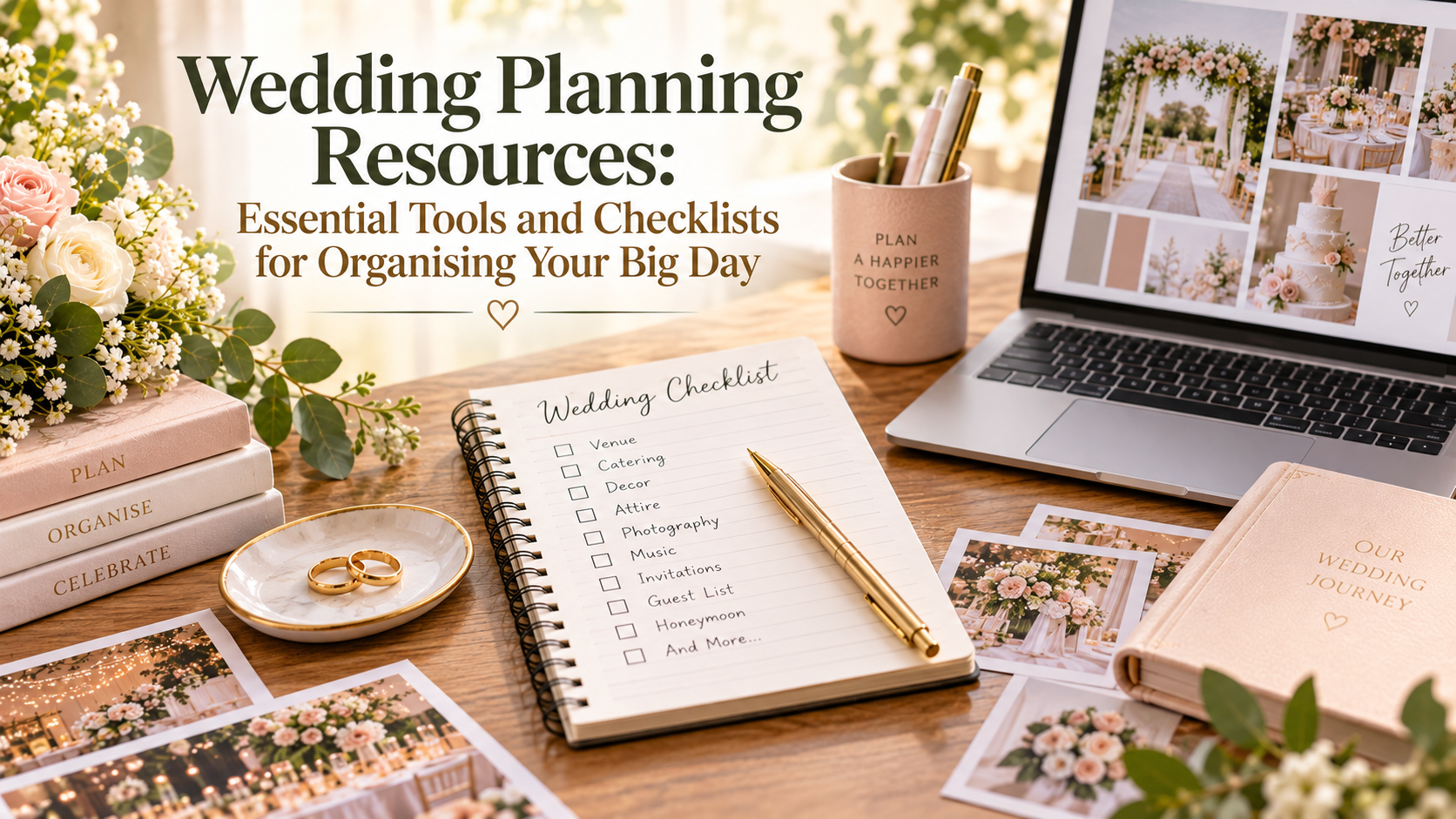
Wedding planning resources are the tools, checklists, and structured timelines that help couples stay organised through the dozens of decisions that come with planning a wedding, from setting a budget to booking a venue to coordinating vendors. For Indian weddings especially, where a single celebration can span several functions and hundreds of guests, having the right resources isn't a nice-to-have. It's what keeps the whole process from spiralling into chaos.
That complexity is exactly why so many couples feel overwhelmed within weeks of getting engaged. Between the mehndi, sangeet, ceremony, and reception, each with its own guest list, vendors, and logistics, it's easy for small details to slip through the cracks. A missed vendor deadline or an unconfirmed venue date can throw off months of planning in an instant.
In this blog, we'll walk through the tools worth using, how to build a checklist that actually holds up under pressure, and why locking in your venue early makes everything else easier.
Why the Right Wedding Planning Resources Make All the Difference
Most of the stress in wedding planning doesn't come from any single task being difficult. It comes from trying to hold too many moving parts in your head at once. Good wedding planning resources solve this by giving every decision a place to live, whether that's a shared spreadsheet, a digital checklist, or a simple month-by-month timeline.
This matters even more for Indian weddings, where planning often means coordinating three to five separate events, each with its own décor, catering, and guest flow. Couples who rely on structured resources tend to make faster decisions and feel less anxious along the way, largely because they're not trying to remember everything at once. The goal isn't to eliminate the chaos entirely. It's to make sure nothing important gets lost inside it.
Essential Wedding Planning Tools Every Couple Should Use
A handful of well-chosen tools can do most of the heavy lifting here, and you don't need anything complicated to get started.
Budgeting and Guest List Tools
A shared spreadsheet or budgeting app keeps both partners and families looking at the same numbers, which cuts down on miscommunication over who's paying for what. Break your budget into clear categories like venue, catering, décor, attire, and travel, and set aside 10 to 15 percent as a contingency fund for the surprises that inevitably show up. For your guest list, a simple spreadsheet with columns for family, contact details, and which functions each guest is invited to makes catering counts and seating far easier to manage later.
Timeline and Vendor Coordination Tools
A shared digital calendar keeps everyone, including families, aligned on key dates like site visits, trial appointments, and payment deadlines. A basic vendor tracking sheet, listing each vendor's contact, deposit amount, and balance due date, prevents the kind of last-minute scramble that tends to happen when a payment gets forgotten.
How to Build a Wedding Planning Checklist That Actually Works
A wedding planning checklist works best when it's organised by timeline rather than by category, since that's how decisions naturally need to happen. A rough structure looks like this: 9 to 12 months out for setting your budget, guest count, and venue; 6 to 9 months for booking major vendors like photographers and caterers; 3 to 6 months for finalising décor, menus, and outfits; 1 to 3 months for confirming details and fittings; and the final weeks for last-minute run-throughs. Adjust the pacing if your date is closer, but keep the sequence intact, since each phase tends to depend on the one before it.
Why Your Venue Should Be the First Big Decision You Lock In
Almost everything else on your checklist depends on the venue you choose. Your guest capacity, catering options, décor possibilities, and even your wedding date can all hinge on venue availability, which is why couples are usually advised to finalise this before moving on to smaller details. The trouble is that comparing banquet halls, lawns, resorts, and destination venues across different cities can eat up weeks of research on its own.
This is where a platform like Venue By Choice earns its place on your list of wedding planning resources. It brings together a wide range of venues across India, from traditional banquet halls to resorts and destination wedding spaces, with transparent details that make comparing options far less time-consuming than chasing down individual venue managers one by one.
What Should Be on Every Indian Wedding Planning Checklist?
Beyond the standard venue and vendor tasks, Indian weddings usually need a few culture-specific items on the list: consulting a priest for an auspicious date, arranging accommodation blocks for out-of-town guests, confirming ritual essentials like garlands and mandap requirements, and building in extra lead time for vendors, since the busiest wedding seasons can book out 12 to 18 months in advance. Adding these early prevents them from becoming last-minute scrambles closer to the big day.
Conclusion
Good wedding planning resources turn an overwhelming list of decisions into a manageable sequence, and that structure matters just as much as any single tool you use. Whether it's a simple spreadsheet, a month-by-month checklist, or a platform that simplifies venue discovery, the right resources free up mental space for the parts of planning that are actually meant to be enjoyed.
At the end of the day, no checklist can capture every detail of a wedding as personal as yours, and that's fine. Use these tools as a foundation, adjust them to fit your own priorities, and let go of the idea that everything has to be perfect. The organisation is there to support the celebration, not the other way around.