How Venue Layout Affects Wedding Photography and Videography
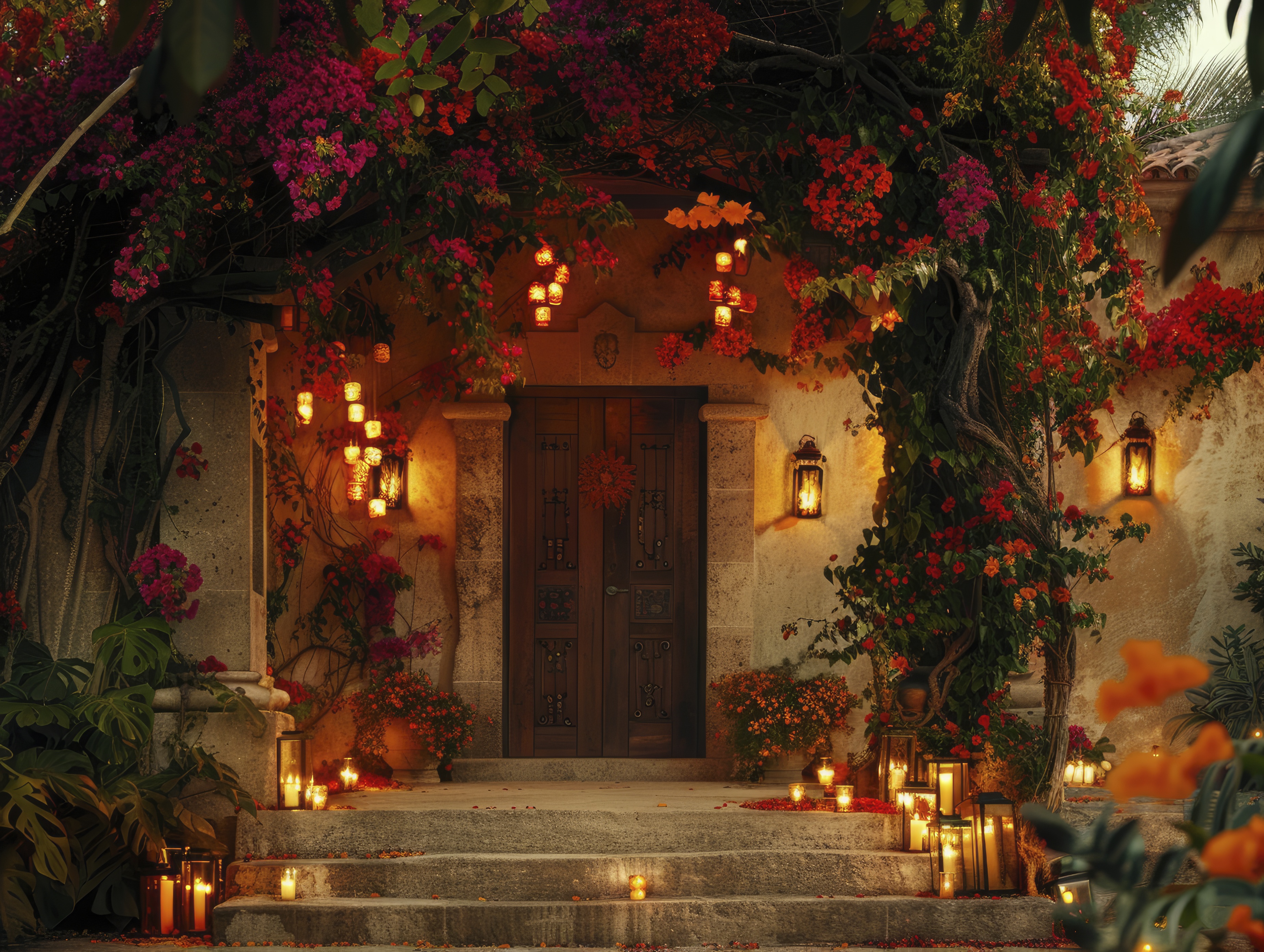
Wedding venue layout has a far bigger impact on your final photos and videos than most couples realize while touring properties. It's easy to get swept up in chandeliers, table settings, and overall ambience, but the structural bones of a space, where light enters, how open the sightlines are, how high the ceilings sit, determine whether your photographer can actually capture the moments you're paying them to capture.
This often gets overlooked because layout isn't something couples are trained to evaluate the way they evaluate decor or capacity. A venue can look stunning to the eye and still photograph poorly, or feel a bit plain in person while turning out gorgeous, light-filled images.
In this blog, we will discuss the specific layout factors that genuinely affect photography and videography outcomes, so you know exactly what to check the next time you're touring a venue.
Why Natural Light Is the Most Underrated Layout Factor
Of everything that affects photo quality, natural light availability tends to matter more than any single decor choice. Venues with large windows, skylights, or open-air sections give photographers soft, flattering light to work with throughout the day, which is exactly why so many photographers prefer shooting during golden hour near large glass panels or outdoor-facing areas.
Venues relying entirely on artificial lighting aren't automatically a problem, but they put more pressure on the photographer to bring and control their own lighting setup, which adds complexity and sometimes cost. When touring a venue, it's worth noting where windows are positioned relative to where the ceremony or key moments will actually take place, since light direction matters just as much as light quantity.
Sightlines and Open Space for Capturing Key Moments
A photographer or videographer can only capture what they can actually see clearly, which makes open sightlines one of the most practical layout factors to check. Support columns, low-hanging decor structures, or oddly placed furniture can block a clean shot of the entrance walk or the vows themselves, exactly the moments couples most want documented well.
This becomes especially important for videographers trying to capture continuous footage rather than a single still frame. A clear, unobstructed line from the back of the room to the altar or mandap gives both photo and video teams room to work without scrambling around obstacles mid-ceremony.
What Should I Check at a Venue for Good Wedding Photos?
During a site visit, stand at the spot where your ceremony will happen and look around for anything that might block a clean shot, columns, low beams, oddly placed greenery. Check how much natural light reaches that exact spot at the time of day your ceremony is scheduled, since lighting conditions shift significantly between morning and evening. It also helps to ask the venue directly whether photographers have worked there before and what challenges they have typically run into, since venues with a photography history often have useful, specific feedback.
Ceiling Height and Room Shape: What They Mean for Camera Angles
Ceiling height affects far more than how grand a room feels in person. Higher ceilings give photographers room to shoot wider, more dramatic frames and make overhead or elevated shots feel less cramped. Lower ceilings tend to push photography toward tighter, more intimate framing, which isn't necessarily worse, but it does limit certain shot types couples often expect from wedding photography.
Room shape matters too, particularly for outdoor sections where drone shots might be planned. Open lawns with few overhead obstructions give drone operators far more flexibility than tightly enclosed courtyards, so it's worth checking this specifically if aerial shots are part of your photography plan.
Finding a Wedding Photography Venue With Backdrop Variety
A genuinely strong wedding photography venue doesn't rely on just one setting for every shot across the entire day. Variety within the same property means your photo album doesn't end up looking repetitive across multiple functions or even within a single event.
Indoor Formal Spaces
These work well for posed family portraits and formal ceremony shots, offering controlled lighting and a clean, structured backdrop.
Outdoor and Garden Areas
Lawns and gardens provide natural greenery and softer, more candid-feeling shots, often becoming the most-used backdrop for couple portraits.
Transitional Spaces Like Entrances and Corridors
Entryways, staircases, and corridors are frequently overlooked but often produce some of the most striking candid shots, since they offer interesting architectural framing without needing any deliberate setup.
Wedding Videography Tips Tied to Layout: Space for Movement
Among the most practical wedding videography tips worth knowing is this: videographers need physical room to move, far more than photographers typically do, since capturing continuous footage means constantly repositioning without disrupting guests or blocking other shots. Tight aisles, cramped seating arrangements, or narrow walkways make this significantly harder.
A layout with enough buffer space around the main ceremony area gives videographers room to circle, reposition, and capture different angles throughout a single moment, rather than being stuck in one fixed spot for the entire event.
Does Venue Lighting Matter More Indoors or Outdoors?
Both matter, but for different reasons. Indoor lighting needs careful control since artificial light can create harsh shadows or unflattering color casts if not managed well, while outdoor lighting is more about timing, since natural light shifts dramatically across the day and can't be adjusted the way indoor lighting can.
If you're comparing venues specifically with photography in mind, Venue By Choice lets you filter options by layout features like natural light availability and open lawn space, which makes this comparison considerably easier, and venuebychoice.com is a useful starting point for that kind of search.
Practical Logistics: Getting-Ready Shots and Guest Flow Around Photo Moments
Layout also shapes logistics that couples rarely think about until the day itself. Getting-ready shots typically need a well-lit room separate from the main event space, ideally with enough room for a photographer to move around comfortably. Guest flow matters too, since how people naturally move and gather around key photo moments, like a couple's first look or the cutting of the cake, affects whether a photographer can get a clean shot or ends up working around a crowd.
Conclusion
Wedding venue layout shapes your photography and videography outcomes far more than most couples expect going into the planning process, from natural light and open sightlines to ceiling height and backdrop variety. Checking these factors directly during a site visit, rather than relying purely on how a space looks in person, makes a meaningful difference in how your final photos and videos actually turn out.
A venue doesn't need to be the most elaborately decorated option to photograph beautifully. Often, the simplest spaces with good light and open sightlines end up producing the most striking images, which is worth remembering the next time a venue's photogenic potential gets overshadowed by its decor budget.