How to Plan a Wedding with Multiple Functions at One Venue
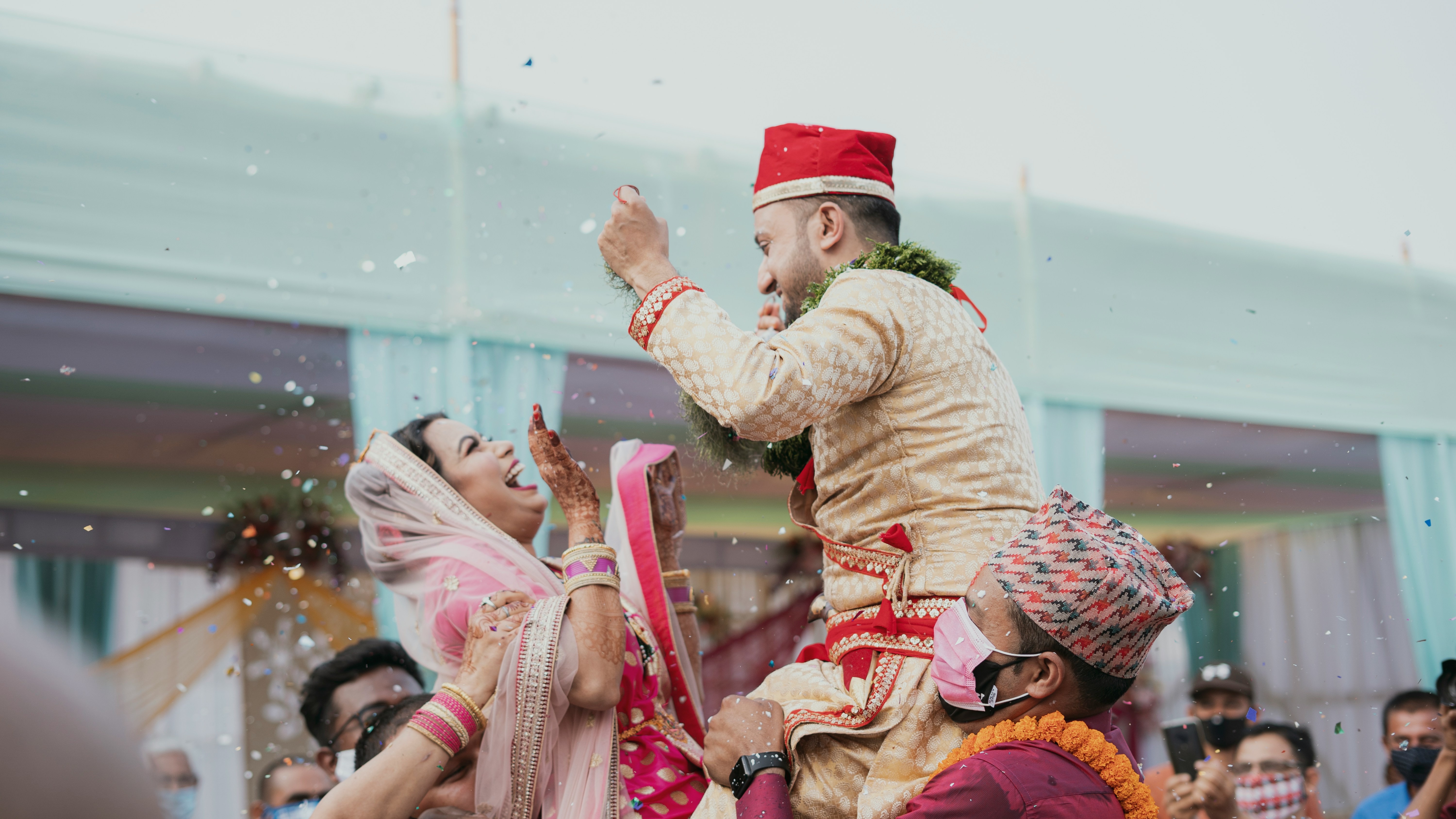
Planning a wedding with multiple functions at one venue works best when each event has its own space, clear timing, and smooth movement between areas. When done right, it saves time, reduces stress, and gives guests a better experience without confusion or delays.
Why choose a multi-function wedding venue for all events?
Choosing a multi-function wedding venue helps you manage everything in one place.
No travel stress between functions
Easier coordination for families and vendors
Better control over timing
Cost savings on transport and setup
It also keeps the energy consistent. Guests feel more connected when all events happen in one space.
How do you plan venue layout for multiple wedding functions?
Good venue layout planning is the backbone of smooth events. Start by dividing the venue into clear zones:
Ceremony area for wedding rituals
Open space for mehendi or haldi
Stage and seating for sangeet
Dining area away from main activities
Relaxation or lounge space for guests
Keep these points in mind:
Avoid overlapping spaces where noise can clash
Maintain enough walking space between areas
Ensure easy access to washrooms and exits
How do you organise mehendi, haldi, and sangeet in one venue?
Handling mehendi haldi sangeet venue setup in one place needs smart planning.
You can either:
Use different areas for each function
Or reuse the same space with quick setup changes
For example:
Morning: Haldi in an open, airy space
Afternoon: Mehendi in a shaded or decorated corner
Evening: Sangeet on a stage setup
Make sure:
Decor changes are planned in advance
Vendors know exact timings
Setup teams are ready for quick transitions
What is the best way to manage timing across functions?
Timing plays a huge role in wedding venue planning in India. Here is how you can manage it:
Keep buffer time between events
Avoid back-to-back scheduling
Inform guests clearly about timelines
Start key rituals on time
For example:
Haldi: 9:00 AM to 11:00 AM
Break: 11:00 AM to 1:00 PM
Mehendi: 1:00 PM to 4:00 PM
Sangeet: Evening
Spacing events helps guests relax and enjoy without feeling rushed.
How can you improve guest movement across events?
Guest movement is key when planning all events one venue. Make movement simple with:
Clear pathways between areas
Direction signs or standees
Event maps at entry points
Volunteers or staff to guide guests
Avoid crowd build-up near entrances
Keep dining separate from main event zones
Ensure lighting is good for evening movement
Also read: How to Plan Guest Flow and Movement in Large Wedding Venues.
What role do vendors play in multi-function wedding planning?
Vendors are crucial for smooth execution. Coordinate with:
Decor team for quick setup changes
Catering team for timely service
Event planners for scheduling
Sound and lighting team for transitions
Make sure:
Everyone has a clear timeline
Responsibilities are well-defined
Backup plans are ready
How can you choose the right venue for multiple functions?
Not every venue supports multiple events smoothly. Look for:
Large and flexible spaces
Separate zones for different functions
Good accessibility and parking
In-house coordination support
Platforms like Venue By Choice can help you compare venues based on layout, capacity, and suitability for hosting multiple events in one place. This makes decision-making easier without visiting too many locations.
What mistakes should you avoid when planning all events in one venue?
Some common mistakes can affect the overall experience. Avoid:
Overcrowding one space
Poor time planning
Ignoring guest movement
Last-minute decor changes
Lack of coordination between teams
Even small gaps in planning can create confusion during events.
How does good planning improve guest experience at weddings?
When everything is planned well:
Guests move easily between functions
Events start and end on time
There is no confusion or waiting
The entire wedding feels smooth and enjoyable
A well-managed multifunction wedding venue creates a better guest experience wedding without stress.
Conclusion
Planning multiple wedding functions in one venue is all about structure, timing, and coordination. With the right venue layout planning, clear schedules, and proper crowd management, you can handle all events in one venue without confusion. When movement is smooth and events are organised, both families and guests enjoy the celebration without any hassle.