How to Plan a Wedding Venue Around Cultural Traditions
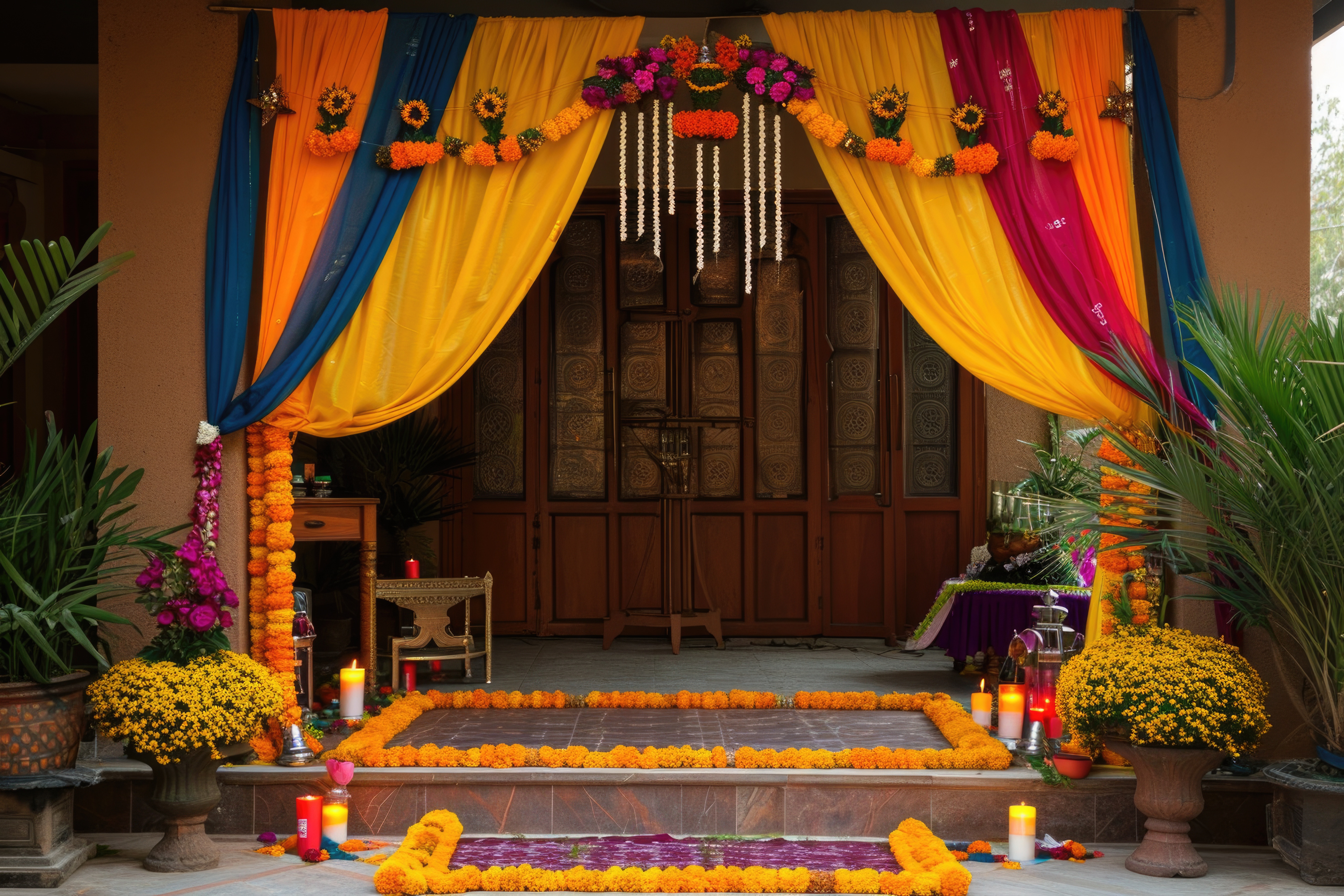
Have you ever visited a wedding venue that looked beautiful online but did not feel right once the actual rituals started? Maybe there was not enough space for traditions, guests felt crowded, or the setup did not match the family’s customs.
That is something many families experience while planning a traditional Indian wedding. Choosing a traditional wedding venue India is not only about decoration or luxury. The venue should support your rituals, cultural practices, guest comfort, food arrangements, and overall wedding flow.
Why cultural traditions matter in venue planning
Indian weddings are deeply connected to rituals and community practices. Some weddings happen early in the morning. Some need open fire rituals. Others involve multiple functions across several days.
When the venue does not support these traditions properly, the event can feel stressful and unorganised. Good cultural wedding planning in India starts with understanding what the ceremony truly needs before selecting the venue.
For example:
South Indian weddings may need a proper mandap setup for Vedic rituals
Sikh weddings require easy access to the Gurudwara and organised guest movement
Muslim weddings may need separate dining or seating arrangements in some families
Gujarati weddings often involve multiple pre-wedding functions and dance celebrations
Bengali weddings may require traditional entry spaces and ritual-friendly layouts
6 Tips to plan a wedding venue around cultural traditions
One common mistake families make is booking the venue first and adjusting the rituals later. Instead, start by listing all important ceremonies.
Ask questions like:
How many rituals are involved?
Will the wedding happen indoors or outdoors?
Is there a muhurtham timing?
Will there be separate spaces for different functions?
How many elderly guests will attend?
Does the ceremony need traditional cooking or serving arrangements?
Once these details are clear, choosing the right traditional wedding venue India becomes much easier.
1. Check whether the venue supports traditional ceremonies
Not every venue is designed for cultural weddings. Some modern banquet halls focus mainly on aesthetics and may not support traditional requirements comfortably.
Before booking, check:
Mandap setup space
Ventilation for homam or fire rituals
Dining arrangements for traditional serving styles
Dressing rooms for family members
Space for musicians or traditional performers
Prayer or ritual preparation areas
Easy access for elderly guests
For example, some South Indian weddings need banana leaf dining service for large groups. The dining layout should support smooth serving without crowding.
2. Consider multi-day wedding functions
Indian weddings are rarely a one-day event now. Families often celebrate:
Mehendi
Haldi
Sangeet
Engagement
Reception
Wedding ceremony
Managing all these events at different locations can become tiring. Many families now prefer venues that can host multiple functions in one place.
This makes guest coordination easier and reduces transportation confusion. It also helps maintain the cultural flow of the celebration.
3. Food and catering
Food is one of the biggest parts of Indian weddings. Cultural preferences influence menu planning heavily. Some families may prefer:
Traditional South Indian meals
Authentic Chettinad cuisine
Pure vegetarian cooking
Jain food preparation
Regional sweets and snacks
Live counters for traditional dishes
The venue should either provide flexible catering support or allow external catering teams if needed. During cultural wedding planning in India, families should also check:
Kitchen access
Cooking permissions
Separate serving counters
Dining capacity
Hygiene standards
4. Guest comfort and tradition
Traditional weddings often involve large families, elderly relatives, and guests travelling from different cities. Comfort should be planned carefully without affecting cultural practices.
Look for venues with:
Good parking space
Nearby accommodation options
Clean washrooms
Proper air circulation
Lift or wheelchair access
Easy crowd movement
A culturally rich wedding feels even better when guests can enjoy the celebration comfortably.
5. Outdoor or indoor wedding
Many families today prefer outdoor weddings because of aesthetics and photography. But not every tradition works comfortably outdoors.
For example:
Morning weddings during summer may become uncomfortable outside
Windy outdoor setups can affect fire rituals
Rain can disturb traditional ceremonies
Sound restrictions may affect cultural performances
Indoor venues may offer better control for rituals and guest management. The best choice depends on the family traditions, season, and wedding schedule.
6. Venue decoration
Modern decoration trends are beautiful, but they should not overpower the cultural identity of the wedding. Traditional weddings usually look more elegant when the decor reflects:
Regional flowers
Traditional lamps
Temple-inspired designs
Cultural colours and fabrics
Heritage-style seating
A culturally rooted setup often feels more memorable than overly flashy decoration.
Conclusion
Choosing the right wedding venue makes a big difference in creating a smooth and meaningful celebration. The venue should support your traditions, rituals, guest comfort, and overall wedding experience without adding stress to the family.
If you are looking for a traditional wedding venue India, Venue By Choice helps you explore verified banquet halls, resorts, and hotels based on your budget, guest count, location, and event style. With 200+ venues and support for easy shortlisting, enquiries, and booking, it helps make wedding planning simpler and more organised. For more details, contact us.