How Lighting Can Completely Transform Your Wedding Venue
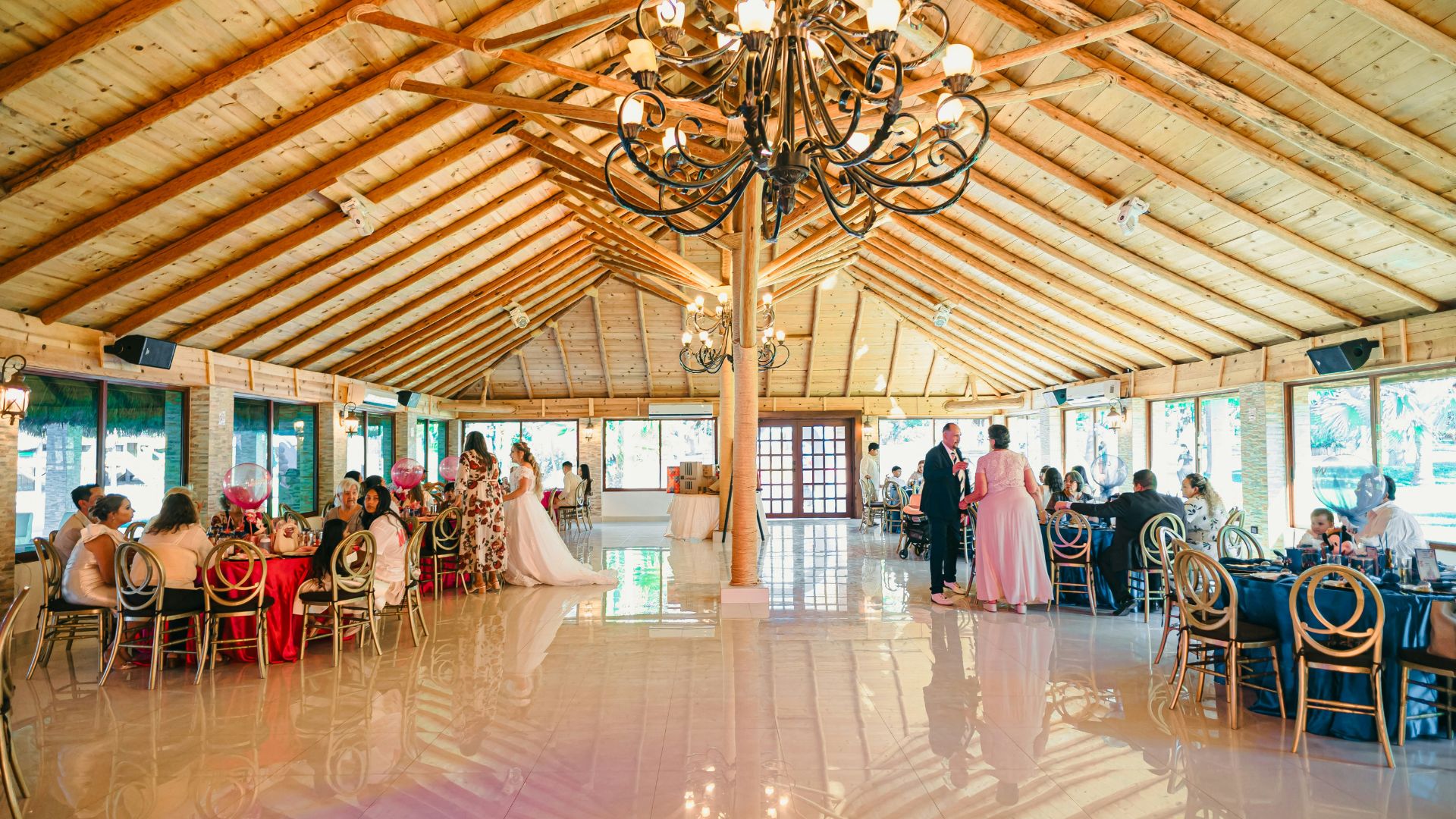
Lighting can quietly change everything about a wedding space. The right wedding venue lighting ideas don’t just make things visible, they shape how the entire celebration feels, from the first impression to the last dance. A simple hall can look stunning, while a well-decorated venue can fall flat if the lighting feels off.
It’s one of those elements people don’t always prioritise at the beginning. Décor gets attention. Flowers, stage design, seating. Lighting comes in later, almost like an add-on. But honestly, it shouldn’t. Because it ties everything together in ways that are easy to overlook until you actually see it in action.
This blog explores how lighting can completely transform your wedding venue.
Why Lighting Matters More Than You Think
It’s not just about brightness. It’s about mood.
A space can feel warm, inviting, dramatic, or even dull depending on how it’s lit. And once guests walk in, their first reaction is shaped by this more than anything else.
What Lighting Actually Does
Defines the ambience wedding venue experience
Highlights key areas like stage and mandap
Guides guest movement subtly
Enhances photography and video quality
In most cases, good lighting makes average décor look better. The reverse… not always true.
Types of Lighting That Change the Game
Here’s where it gets interesting. Not all lighting serves the same purpose.
1. Ambient Lighting
This is your base layer. The overall glow of the venue.
Warm lights for a cozy feel
Cool lights for a modern look
Soft diffused lighting for elegance
Ambient lighting sets the tone before anything else even stands out.
2. Decorative Lighting
This is where creativity shows up.
Fairy lights and string lights
Hanging bulbs
LED installations
Decor lighting wedding setups often use these elements to add character and depth. It’s subtle, but it builds atmosphere.
3. Accent Lighting
Used to highlight specific areas.
Mandap
Entrance walkway
Dining setups
A little focus goes a long way here. It draws attention without overwhelming the space.
4. Stage Lighting
The stage is where most eyes stay.
Spotlights for the couple
Color-changing LEDs
Backlit panels
Following current stage lighting trends can elevate the entire visual experience. Not in an over-the-top way, just enough to make moments stand out.
How Lighting Transforms Different Wedding Moments
Lighting isn’t static. It evolves through the event.
Entry and Welcome
Soft, welcoming lights work best here. Nothing too harsh. Guests should feel comfortable the moment they step in.
Ceremony
This is where balance matters.
Bright enough for visibility
Soft enough to keep it intimate
Mandap lighting, especially, needs careful attention. Too bright, and it feels staged. Too dim, and details get lost.
Sangeet or Reception
This is where lighting can shift.
Dynamic lights for dancefloor energy
Colored effects for a lively mood
Spotlight moments during performances
Here’s where it gets interesting, lighting becomes part of the entertainment.
Practical Tips Before Finalizing Lighting
It’s easy to get carried away with ideas. A few grounded steps help.
What to Check First
Venue size and ceiling height
Power backup availability
Existing lighting setup
These basics influence what’s actually possible.
Questions to Ask Your Decorator
What lighting is included in the package?
Can lighting be customized for each event?
How will lighting affect photography?
Small questions, but they avoid bigger issues later.
Budget Considerations
Lighting doesn’t have to be expensive, but it shouldn’t be an afterthought either.
Allocate a specific portion of your décor budget
Prioritize key areas instead of lighting everything
Mix premium elements with simpler ones
In most cases, this works better than trying to do everything at once.
Common Mistakes to Avoid
Even good venues can miss the mark if lighting is not planned properly.
Overusing bright white lights everywhere
Ignoring shadows and dark spots
Not testing lighting before the event
Choosing style over functionality
Sometimes less really is more. Especially with lighting.
Conclusion
A well-lit venue doesn’t shout for attention. It just feels right.
Guests may not consciously notice the lighting, but they definitely feel it. The warmth, the elegance, the energy, it all comes from how light interacts with the space.
Using the right wedding venue lighting ideas can transform even a simple setup into something memorable. It doesn’t require excessive spending or complicated designs. Just thoughtful choices, a bit of planning, and a clear understanding of what mood you want to create. And once that clicks, everything else tends to fall into place quite naturally.