How Are Couples Choosing Wedding Venues Differently in 2026?
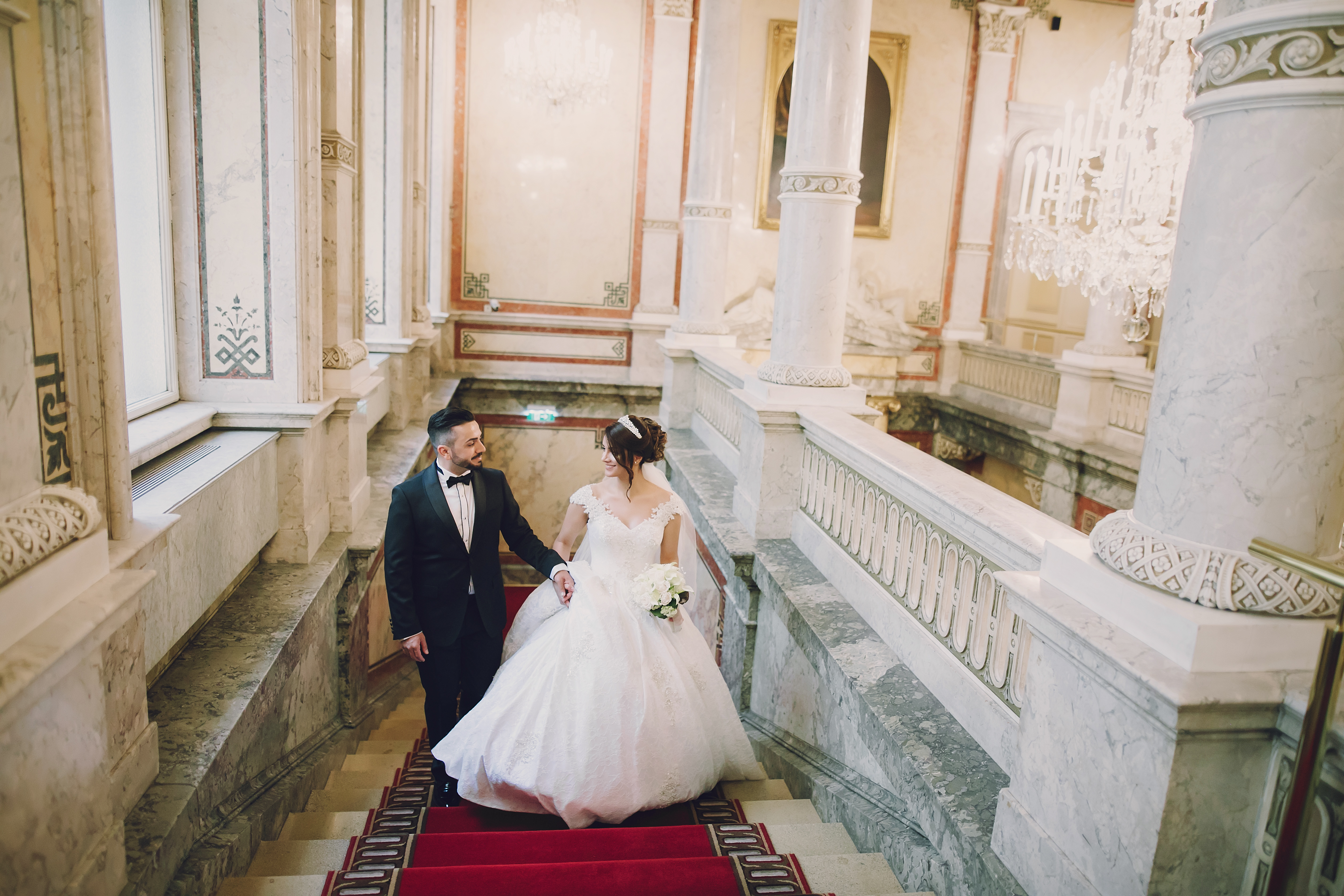
The way couples are selecting venues has clearly shifted, and the wedding venue trends in 2026 reflect a more practical, experience-driven mindset. It’s no longer just about booking the biggest or most visually impressive space. Couples are thinking deeper, asking better questions, and honestly, being a bit more intentional about where they host their wedding.
There’s also a noticeable change in priorities. Budgets are still important, of course, but they’re being allocated differently. Convenience, flexibility, and overall experience are starting to outweigh pure aesthetics. Not entirely, but enough to change how decisions are made.
This blog breaks down how couples are approaching venue selection differently in 2026.
Experience Is Taking Priority Over Scale
Bigger weddings are still happening, but the focus has shifted slightly.
Couples are asking, “Will people enjoy this?” rather than just “Will this look grand?”
What This Looks Like in Practice
More comfortable seating layouts
Better flow between functions
Spaces that feel less crowded
Thoughtful guest movement planning
In many ways, this shift ties directly into evolving couples’ venue selection trends, where the guest experience is no longer an afterthought.
Fewer Venues, Better Decisions
Here’s something interesting. Couples are spending less time browsing endlessly and more time evaluating fewer, well-matched options.
It’s not about seeing everything anymore.
The New Approach
Shortlisting 3–5 relevant venues
Comparing them deeply instead of broadly
Focusing on fit, not variety
This actually reduces decision fatigue quite a bit. And it works.
All-in-One Venues Are Gaining Popularity
Managing multiple vendors used to be the norm. Now, not so much.
Couples are leaning toward venues that offer bundled services.
Why This Shift Is Happening
Less coordination required
Clearer pricing structures
Reduced chances of miscommunication
Easier planning overall
That said, flexibility still matters. Some couples prefer partial packages instead of fully bundled ones.
Budget Awareness Is More Practical Now
Budgets haven’t necessarily decreased, but the way they are handled has changed.
Couples are more aware of hidden costs. More cautious.
What They’re Paying Attention To
What’s included vs what’s extra
Service charges and taxes
Overtime or extension costs
Vendor restrictions
In most cases, this leads to fewer surprises later. Which is always a good thing.
Location Is Being Evaluated More Thoughtfully
Earlier, prime locations were automatically preferred. Now, it’s a bit more balanced.
Couples are asking whether the location actually works for their guests.
Key Considerations
Travel time for majority of guests
Parking and accessibility
Nearby accommodation options
Sometimes, a slightly off-center venue with better logistics wins over a premium but inconvenient location.
Flexible Spaces Are Becoming More Valuable
Not all weddings follow a fixed structure anymore.
Functions blend. Timelines shift. Plans change.
What Couples Prefer Now
Venues with both indoor and outdoor areas
Spaces that can be rearranged easily
Backup options for weather changes
This flexibility adds a layer of security, especially for multi-event weddings.
Personalization Is No Longer Optional
Standard setups are slowly fading out.
Couples want their wedding to reflect them, not just follow a template.
How This Affects Venue Choice
Preference for customizable décor options
Venues that allow external vendors
Spaces that can adapt to different themes
Here’s where it gets interesting. Even simple venues are being chosen if they allow more creative freedom.
Technology Is Playing a Bigger Role
This change is subtle but significant.
Couples are using digital tools more actively to compare and finalize venues.
Common Practices Now
Virtual tours before physical visits
Online comparisons of pricing and features
Quick availability checks
This speeds up the process, but also makes it more informed.
Emotional Decisions Are Still There, Just More Balanced
Let’s be honest, weddings will always have an emotional side. That’s not changing.
But now, those emotions are being balanced with practical thinking.
What This Balance Looks Like
Liking a venue, but still checking details
Feeling connected to a space, but comparing costs
Trusting instinct, but verifying facts
In most cases, this leads to better decisions overall.
Common Patterns Seen Across 2026
To sum up the shift, here are a few patterns that stand out:
Experience matters more than size
Fewer venues are shortlisted, but evaluated deeply
All-in-one solutions are preferred
Budget clarity is a priority
Flexibility is valued more than fixed setups
These aren’t strict rules, but they show a clear direction.
Conclusion
The wedding venue trends in 2026 point toward a more thoughtful, balanced approach. Couples are not just choosing venues, they’re evaluating how those spaces will actually function during the wedding.
There’s more awareness now. More intention behind decisions. And honestly, that makes the entire planning process smoother.
At the end of the day, the right venue isn’t just the one that looks good in photos. It’s the one that works well in real life, for you and for everyone who shows up to celebrate with you.